|
Fast Lane Literacy by SEDSO™ | 22 October 2026
|

|
|
|
The Simple View, the Simple Point, and Barking at Print
The Simple View is, at one level, the observation that at the onset of reading instruction, a child knows spoken language (at the level of a 5 or 6 year old) and needs to learn how to use the spellings of words to access knowledge of them gained from using oral language. Reading thus involves print, language, and the connections between them. This aspect of the Simple View accurately describes conditions at the onset of reading. The beginning reader’s initial challenge is indeed to learn how print represents words that are known from spoken language. This observation is consistent with countless studies because it describes the basic problem of beginning to read. It could be falsified only if we discovered a culture in which children learn to read before they learn to talk, or we found that children ignore what they already know about language in learning about print, or equally fanciful events obtained. I will call this the Simple Point of the Simple View. Every account of reading must include both print and language in some manner given that the minimal definition of reading is “comprehending language in written form.” This point is useful for a teacher or other educator coping with colleagues who maintain that instruction about the associations between print and sound–phonics–is unimportant, an impediment to skilled reading, or only relevant for struggling readers.
|
— Mark Seidenberg
|
|
|
“We should work on our process, not the outcome of our processes” – W. Edwards Deming
“But the thing that has perhaps separated the Brewers and Rays from other organizations that have also bought all the technology and tried to be on the forefront of the data revolution is that they’ve always had good process. The insights they gain from the data sourced from the tech they’ve bought are put into action up and down their organization. It takes great communicators to turn all that data into insights that the best coaches can use to improve their players.”
|
— Eno Sarris, The Athletic
|
|
|
Legislating Literacy: Estimating the Impact of State-Level Science of Reading Reforms on Reading Test Scores
This study examines the extent to which state adoption of Science of Reading (SoR)-aligned policies was associated with changes in fourth-grade reading achievement. Using longitudinal state-level panel data from 2003-2024 and quasi-experimental difference-in-differences (DiD) methods, the study estimates relationships between SoR policy adoption and NAEP Grade 4 reading outcomes. Findings suggest that SoR-aligned reforms are associated with modest but gradually emerging improvements in reading achievement, with stronger effects observed at longer post-adoption periods. Effects are not uniformly distributed across student groups, with more consistent positive associations observed for White students and students not eligible for free or reduced-price lunch. Results further suggest that coordinated policy environments may matter more than individually adopted literacy policies.
|
— Florence Bason and Christopher Redding, EdWorkingPapers
|
|
|
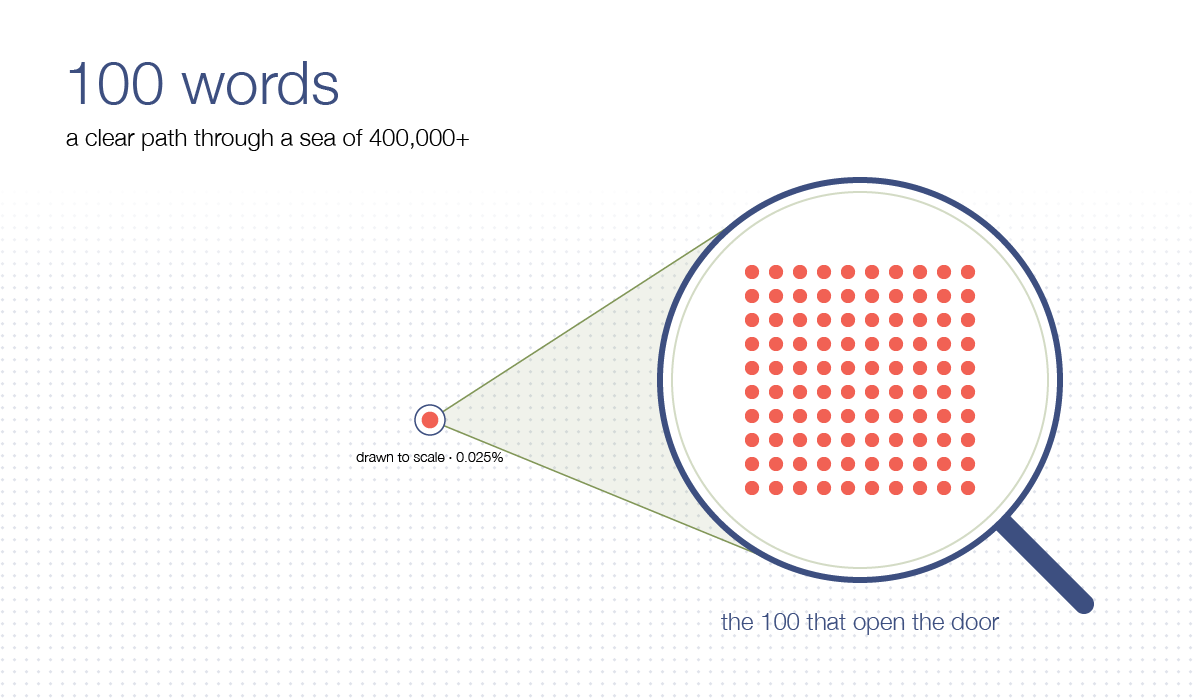
Fast Lane Literacy uses a constrained set of 100 words that carry the common patterns of English, so children “get in, get out” of learning to read quickly.
|
|
|
|
Literacy Map // CheckPoint
Letter Writing Practice
Understanding Our Literacy Crisis
Blog // The State of Reading
US Ed School Reading Foundations
|
|
|
|
Give the Gift of Reading
Fast Lane Literacy
Watch the intro video
|
|
Unsubscribe |
Web version |
Privacy |
sedso.io
© 2026 SEDSO, LLC
|
|
