|
Why Fast Lane Literacy Works
Three principles, grounded in reading research, that guide every lesson.
Evidence-Based Instruction — built on Science of Reading research, with magnetic letters that let kids master phonemic awareness before handwriting adds fine-motor demands.
Efficient Instruction — no-prep, ready-to-use lessons that let adults spend less time planning and more time connecting with the child in front of them.
Child-Centered Instruction — sequenced for early wins, so kids build real confidence instead of just repeating drills.
If you’ve ever wondered why Fast Lane Literacy leans on magnetic tiles before handwriting, or why lessons stay short and focused, this page walks through the reasoning.
|
|
|
|
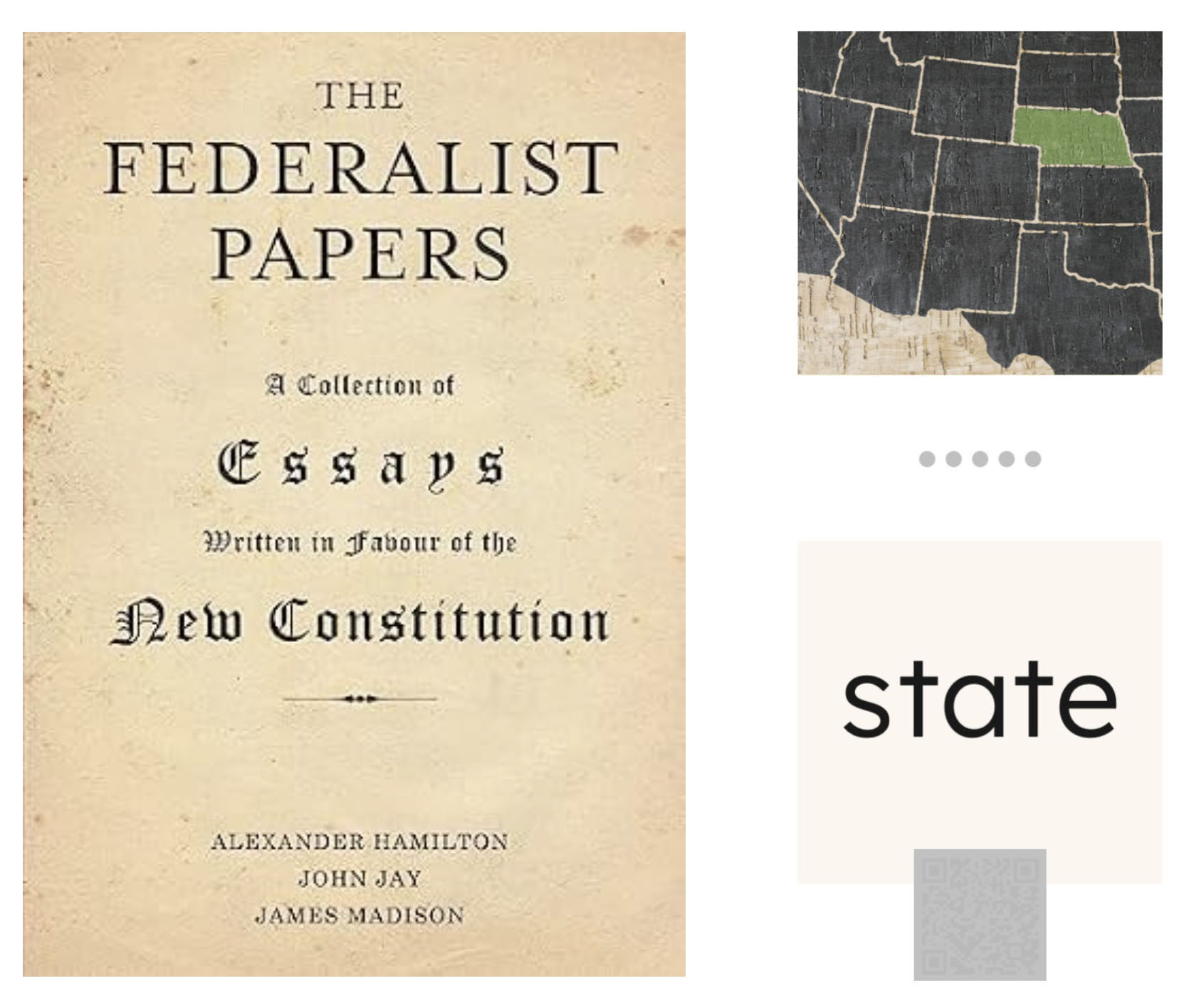
The word state is found 1,697 times in the Federalist Papers — Britannica
|
|
|
|
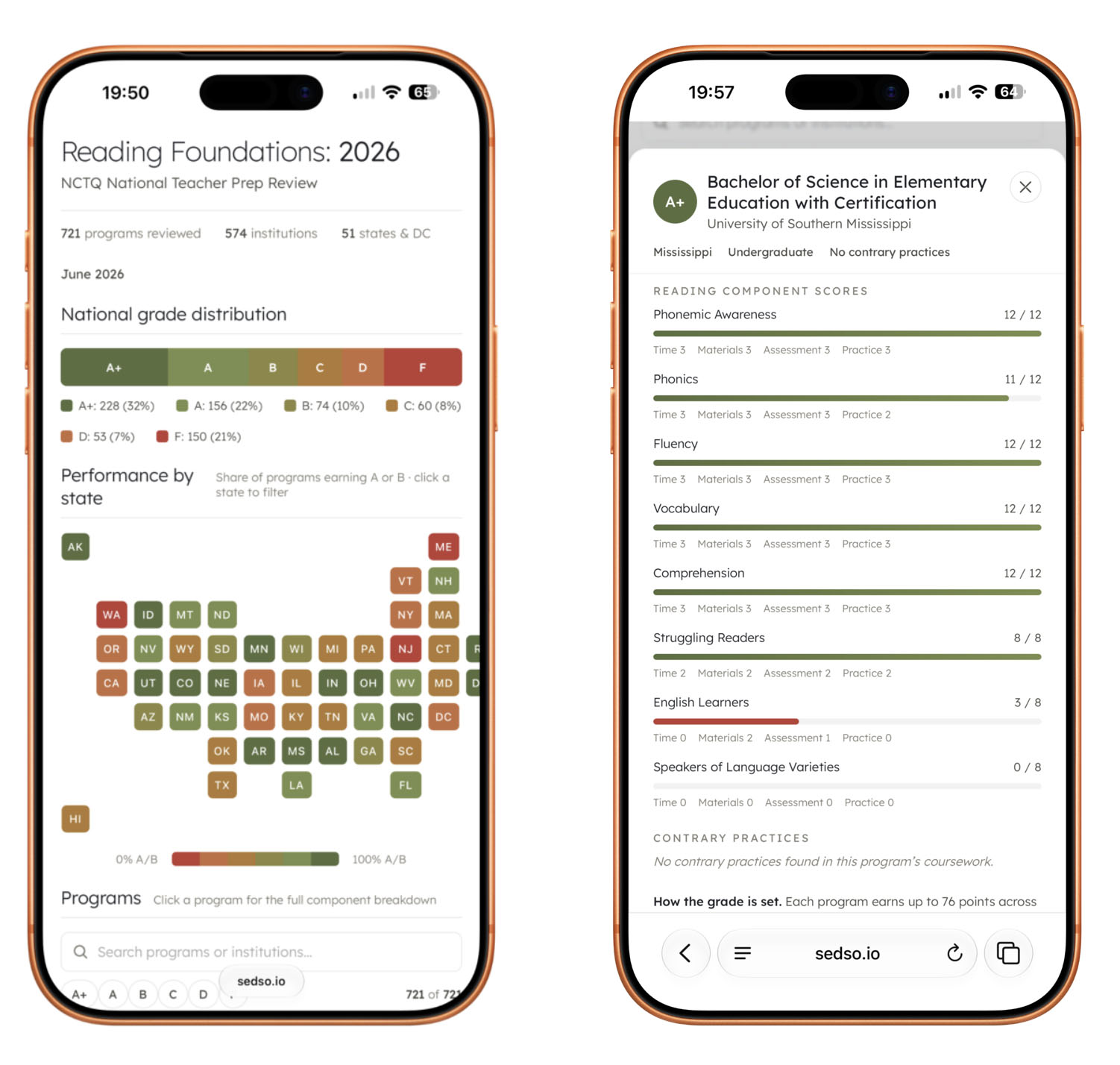
Explore NCTQ 2026 School of Education Reading Component Scores.
|
|
|
|
Understanding
Liberman et al. are saying that phonemes do not have pronunciations because they only exist as linguistic abstractions. Phonemes are in your head, not in your mouth. Teaching children how to pronounce phonemes is thus a serious error (it is what philosophers call a category error). The “alphabetic principle” says that in alphabetic writing systems spoken words are represented at this abstract, phonemic level rather than as they are actually spoken. Figuring out that writing could represent spoken words in this manner was a profound achievement that took thousands of years. — Mark Seidenberg
|
|
|
|
From the Blog
A short video mash up of a recent Wimbledon radio chat, for English nerds. — English is strange and beautiful
|
|
|
|
Politeness
2. Talking Styles Spread Across Groups. You might think I’m overly worried here; surely we can tell the difference between commands to AI assistants and talking to our friends? Well, not entirely. We can keep talking styles for different groups separate to some degree—for example, saying “tummy” to a toddler but “stomach” to adults. But the separation isn’t complete, and people can start reusing a common talking style with another group in awkward ways. For example, when college students go back home for a visit, they often unconsciously reuse their now-familiar college talking style on their hometown families and friends, sometimes creating hurt feelings when they sound “different” or “snooty”. Examples of talking styles spilling over from one group to another suggest that our rude AI talk really could get reused during our human conversations. — Maryellen MacDonald
|
|
|
|
Literacy Map //
CheckPoint
Letter Writing Practice
Understanding Our Literacy Crisis
Blog //
The State of Reading
US Ed School Reading Foundations
|
|
|
|
Give the Gift of Reading
Fast Lane Literacy
[intro video]

|
|
Unsubscribe |
Web version |
Privacy |
sedso.io
|