|
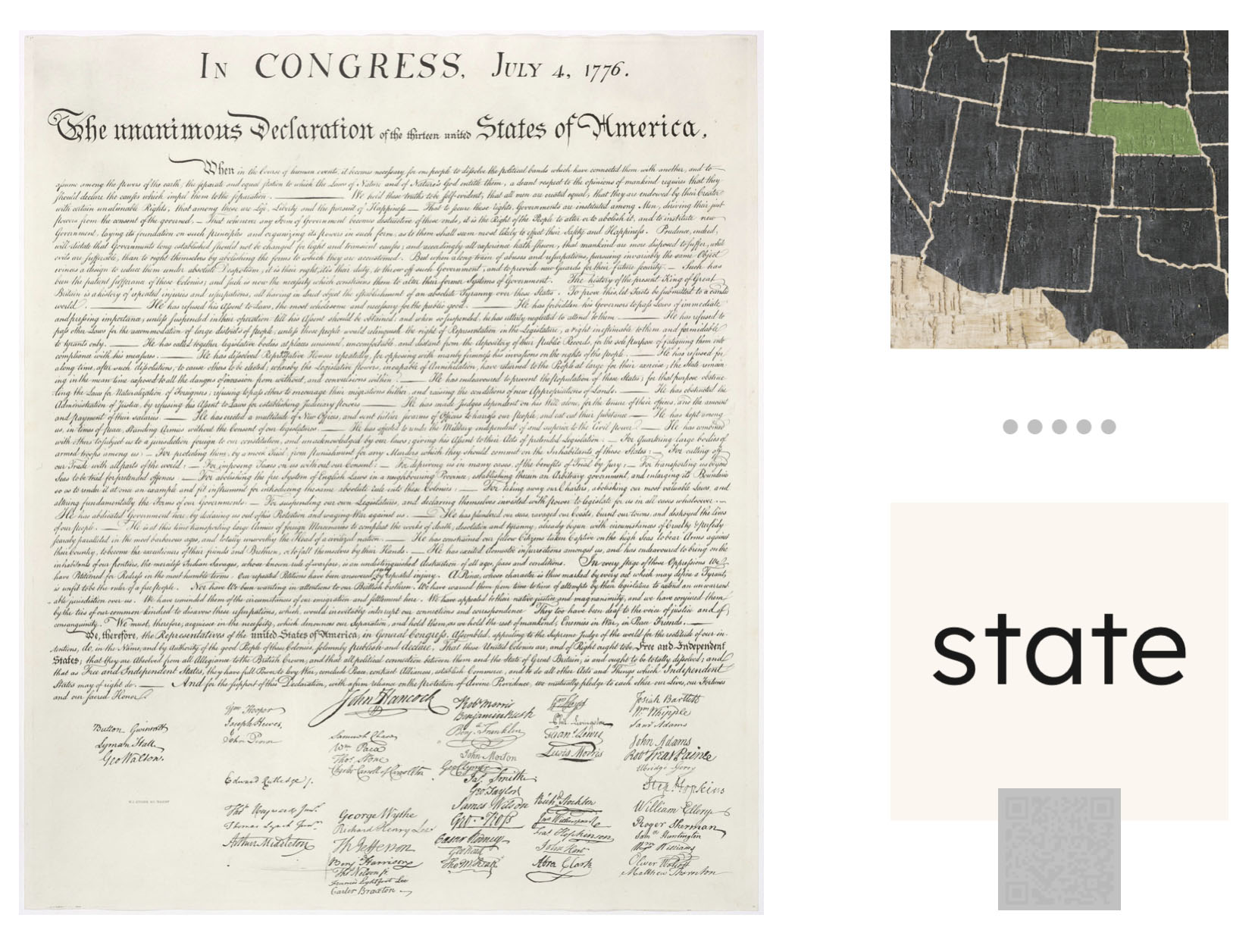
The Declaration of Independence
July 4, 1776
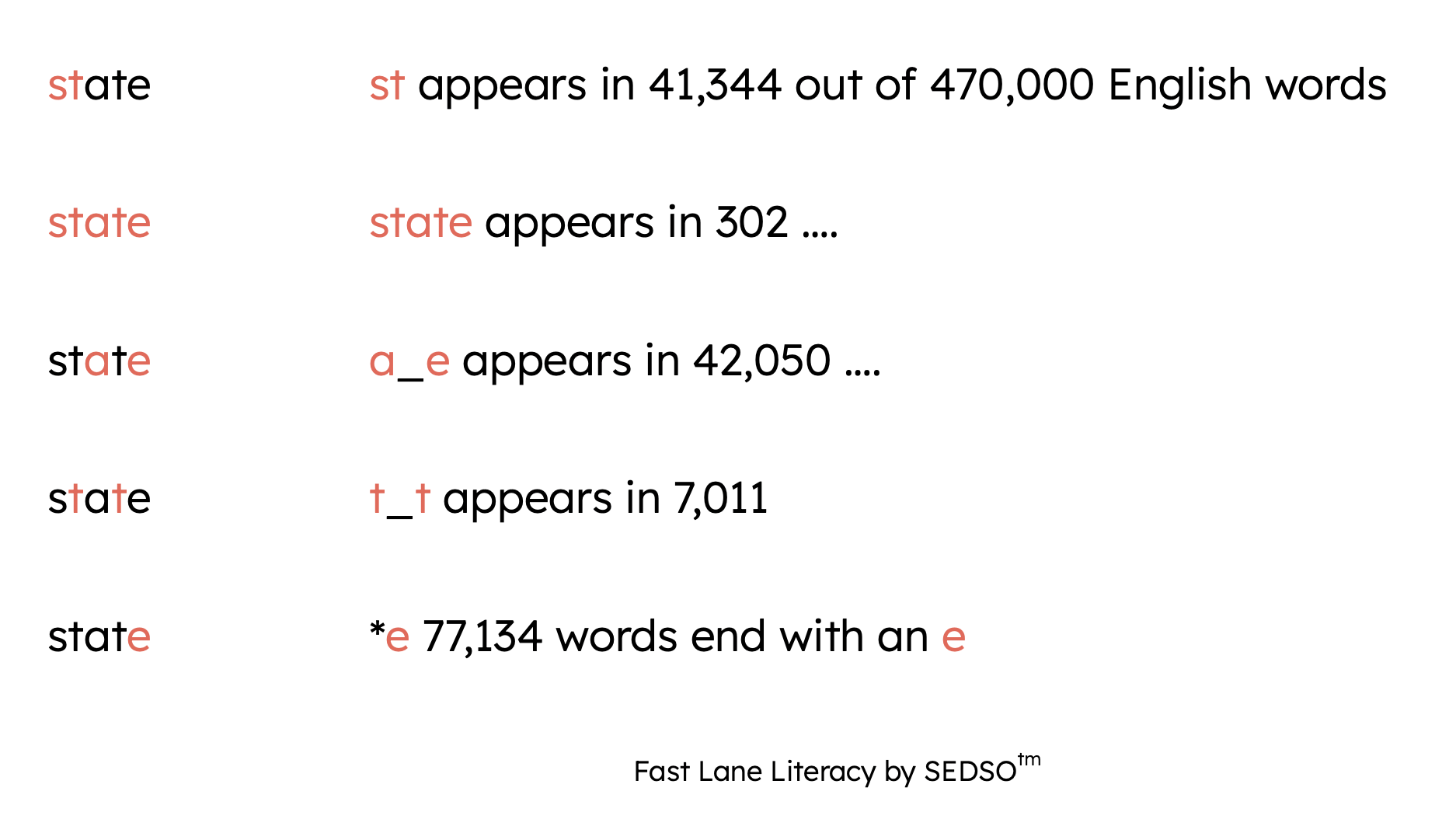
The word state (noun) appears in this document 15 times.
|
state, political organization of society, or the body politic, or, more narrowly, the institutions of government. The state is a form of human association distinguished from other social groups by its purpose, the establishment of order and security; its methods, the laws and their enforcement; its territory, the area of jurisdiction or geographic boundaries; and finally by its sovereignty. The state consists, most broadly, of the agreement of the individuals on the means whereby disputes are settled in the form of laws. In such countries as the United States, Australia, Nigeria, Mexico, and Brazil, the term state (or a cognate) also refers to political units that are not sovereign themselves but subject to the authority of the larger state, or federal union.
— Britannica
|
|
|
|
|
about state
|
|
|
|
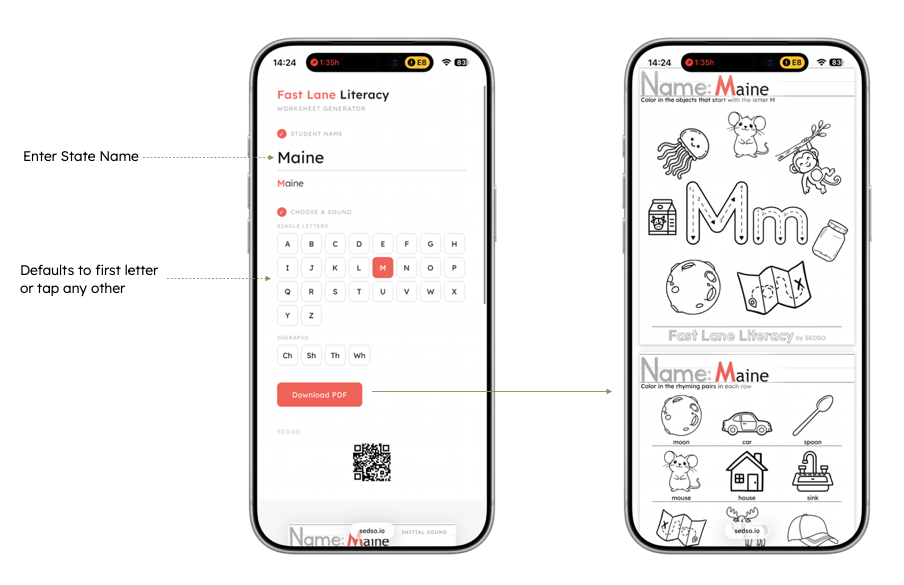
state activities
sedso.io/letters
|
|
|
|
On Blending
Liberman et al. are saying that phonemes do not have pronunciations because they only exist as linguistic abstractions. Phonemes are in your head, not in your mouth. Teaching children how to pronounce phonemes is thus a serious error (it is what philosophers call a category error). The “alphabetic principle” says that in alphabetic writing systems spoken words are represented at this abstract, phonemic level rather than as they are actually spoken. Figuring out that writing could represent spoken words in this manner was a profound achievement that took thousands of years. — Mark Seidenberg
|
|
|
|
US Ed School Reading Foundations
Literacy Map //
CheckPoint
Letter Writing Practice
Understanding Our Literacy Crisis
Blog //
The State of Reading
|
|
|
|
Give the Gift of Reading
Fast Lane Literacy
[intro video]

|
|
Unsubscribe |
Web version |
Privacy |
sedso.io
|