|
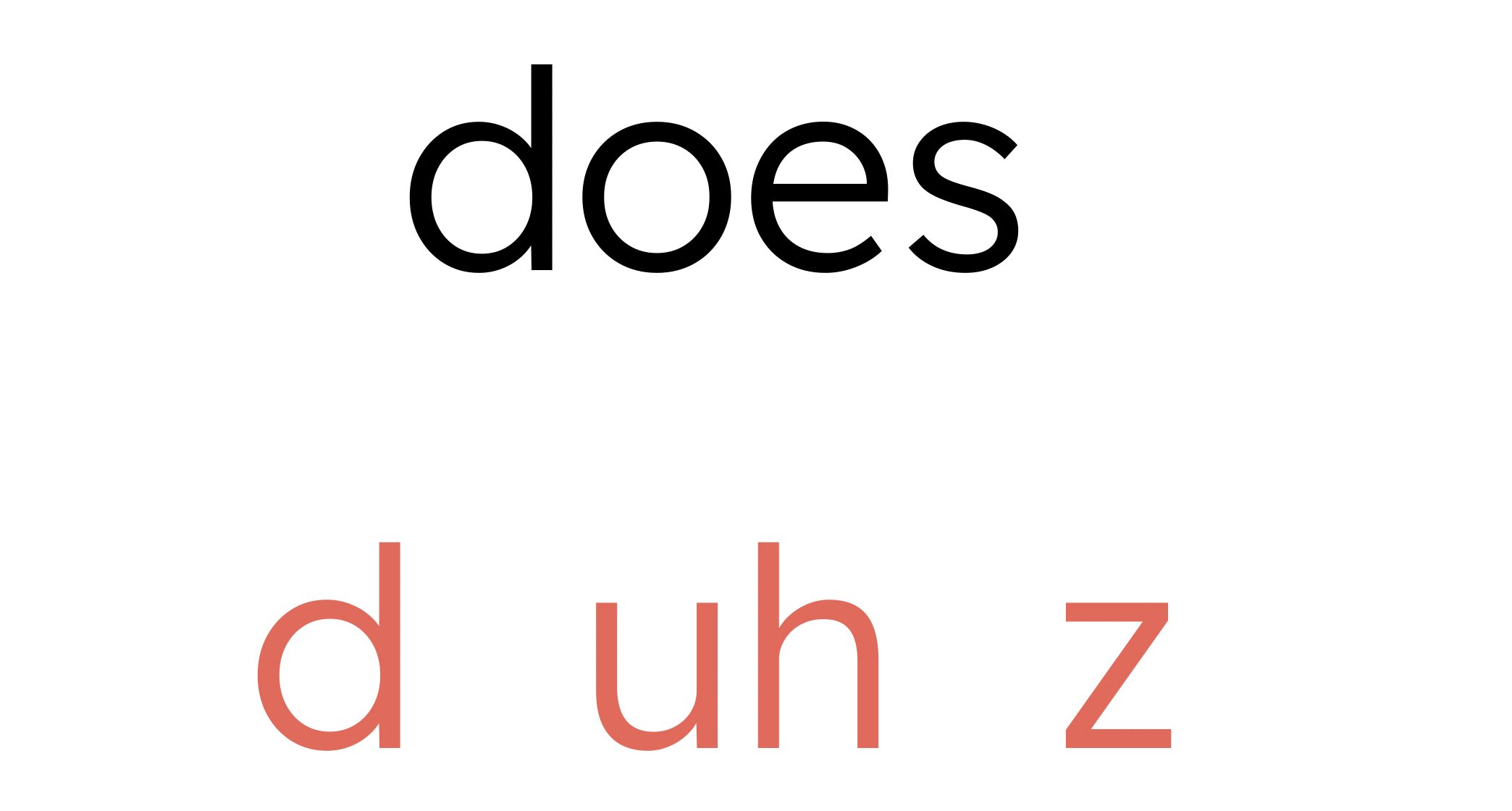
What does one do with does?
|
“Does is one of the many high frequency words that seem highly irregular.
Given the spelling d-o-e-s, it should be pronounced “doze”, as in goes and woes. Given the sound “duz”, the simplest spelling would be d-u-z or maybe even d-u-z-z, like BUZZ.
Does violates both of these expectations.”
|
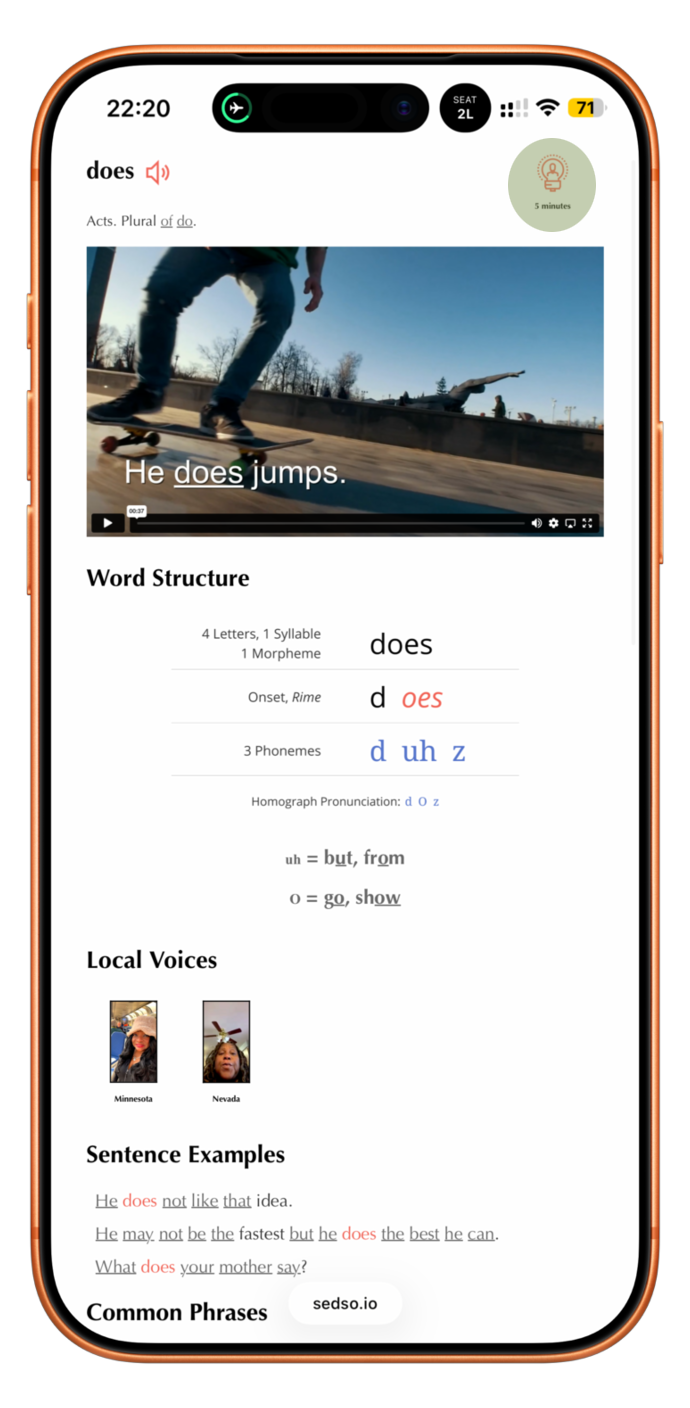
Explore tips for teaching does. Start with the brief word docent on the upper right corner.
|
|
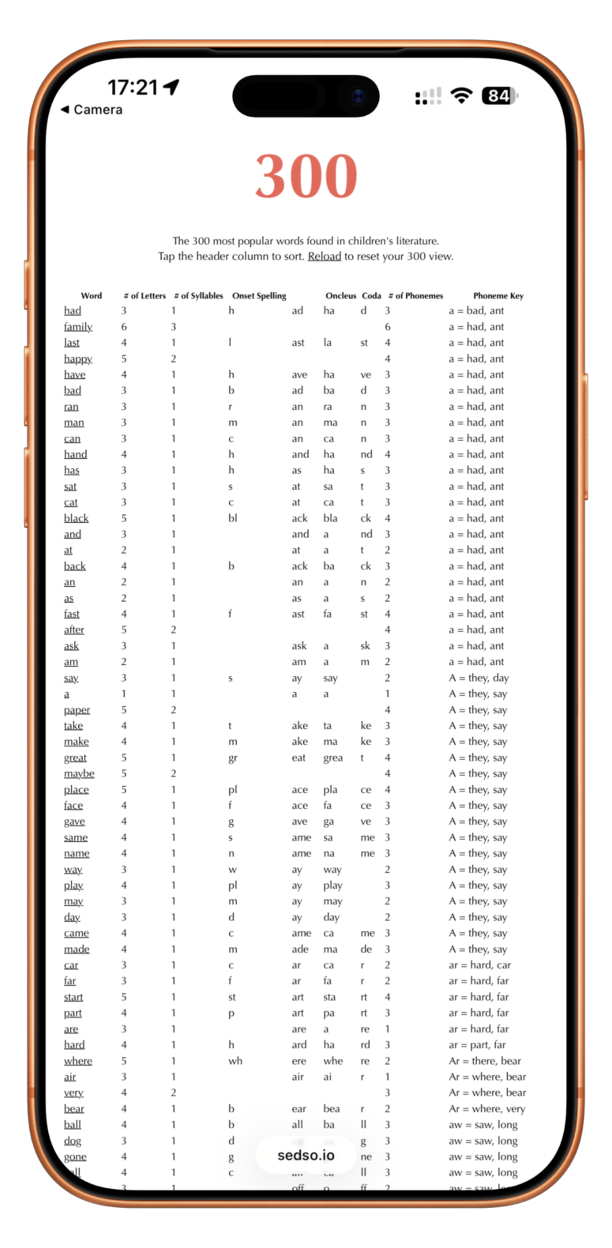
The 300 most popular words found in children’s literature
|
|
|
|
What Hollis Scarborough’s Research Tells Us About the Language Origins of Dyslexia
My talk focused on the instructional needs of dyslexics and typically-developing children, continuation of the discussion here. There’s a commonly-held view that all beginning readers benefit from the same kind of instruction, varying the “dosage” as needed. This view overlooks the fact that children’s instructional needs differ not just in amount but in what needs to be taught.
It’s true that reading capacities exist along a continuum, with no definitive border between dyslexic and nondyslexic. It’s also true that children need to learn the same things in order to read. However, it isn’t true that they all learn the same ways. Children with conditions that seriously interfere with reading benefit from a greater amount of explicit instruction about a wider range of components of reading than typically-developing children.
See my talk, the slides, and my previous post for details. — Mark Seidenberg
|
|
|
|
Literacy Map //
CheckPoint
Letter Writing Practice
Understanding Our Literacy Crisis
Blog //
The State of Reading
|
|
|
|
Give the Gift of Reading
Fast Lane Literacy
[intro video]

|
|
Unsubscribe |
Web version |
Privacy |
sedso.io
|